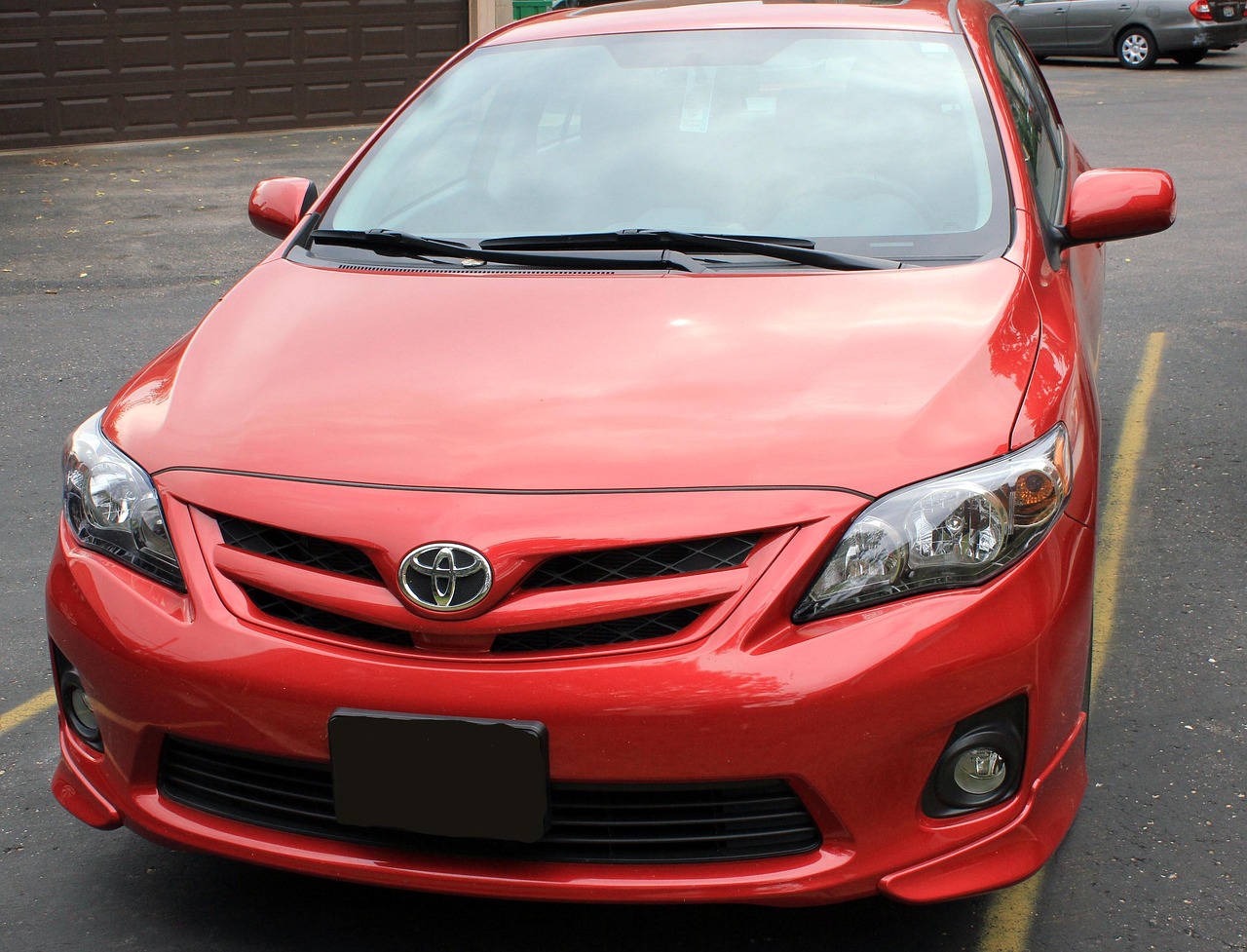
Which automaker should build a new supercar? The question sparks debate among enthusiasts, with suggestions ranging from established luxury brands to unexpected contenders. Some argue high-end companies like Bugatti or Lamborghini could diversify their portfolios, while others see potential in startups such as Lucid. Toyota or Kia could enter the segment with budget-friendly models, and even GMC or Land Rover might explore a quirky take on performance. The possibilities are wide, but one name stands out in the conversation: Peugeot.
Peugeot’s racing pedigree offers a compelling foundation for a supercar. The brand has claimed three Le Mans victories and currently competes in the FIA WEC series with its 9X8. This endurance-focused machine already shares DNA with supercars, both in engineering and design. The 9X8’s hybrid V6 and striking silhouette could easily translate to a production model, blending performance with futuristic styling.
Read Also: What Separates Porsche GTS Models From Real GT Cars: Key Differences Revealed
The automaker’s history includes several supercar concepts. The 1984 Quasar and 1986 Proxima were based on the 205 T16 rally car, while the 1988 Oxia aimed to rival the Ferrari F40 and Porsche 959. The Oxia’s twin-turbo V6 delivered a 217-mph top speed, proving Peugeot’s capability in high-performance vehicles. More recently, the Onyx concept showcased a bold, intentionally rusting design, hinting at a willingness to take risks.
Building on existing programs could streamline Peugeot’s entry into the supercar market. The 9X8’s hybrid system and aerodynamic profile already align with modern performance expectations. Using this platform would minimize development time and costs, allowing the brand to focus on refining details like power delivery and handling. Such a move could also strengthen Peugeot’s presence in global motorsport and automotive culture.
Not everyone agrees. Critics question whether Peugeot’s brand identity, traditionally associated with practicality and family-oriented vehicles, would resonate with supercar buyers. Others argue that the company’s resources might be better spent on improving its mainstream models. However, the automaker’s racing legacy and design ambition suggest a potential shift toward high-performance vehicles.
The supercar market thrives on variety. While traditional players dominate, there’s room for innovation. Peugeot’s entry could introduce a fresh perspective, blending its heritage with modern technology. Whether it happens or not, the conversation reflects a broader trend: automakers are increasingly open to exploring niche segments, even if they diverge from their core identities.
Readers have their own ideas. Some envision Bugatti or Lamborghini pushing boundaries, while others speculate on Lucid’s potential as a disruptor. Toyota or Kia’s involvement could redefine affordability in the segment. Meanwhile, GMC or Land Rover’s attempt might bring a utilitarian twist to a typically exotic category. The debate remains open, with no clear consensus.
Peugeot’s case remains intriguing. Its racing history, past concepts, and current platform all point to a viable path forward. If the automaker were to pursue a supercar, it could do so with a unique blend of heritage and innovation. The question is whether the company is ready to take that step—or if the market would even welcome it.