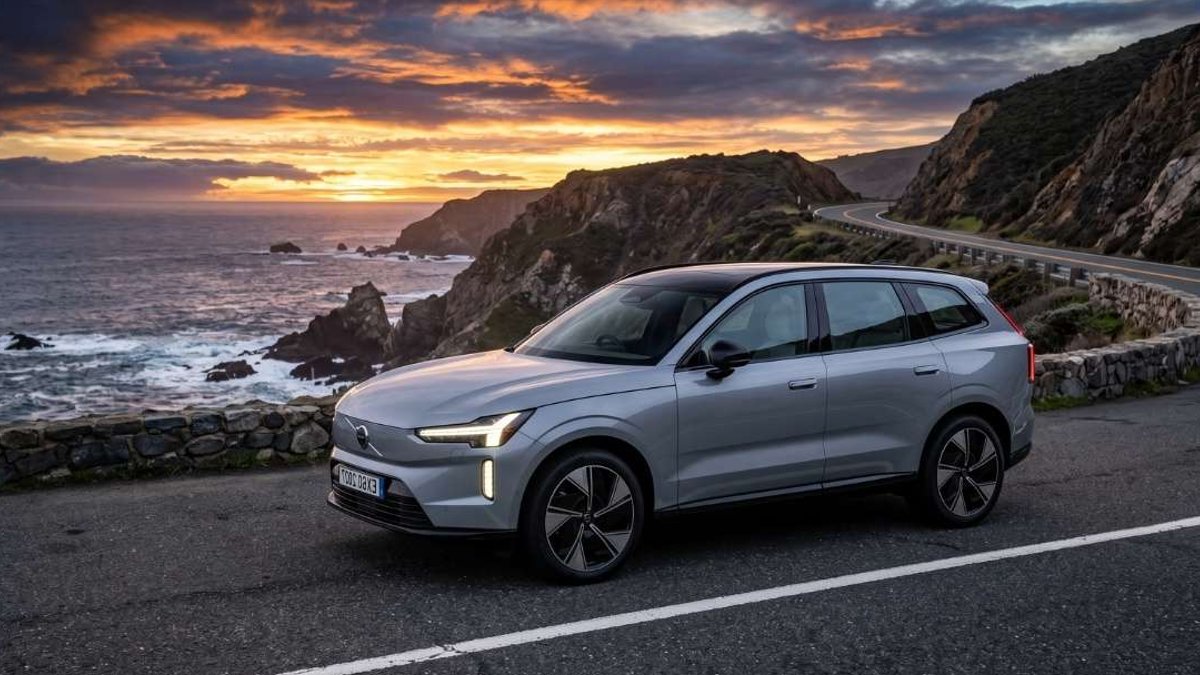
Volvo’s new EX60 P10 AWD has earned an EPA‑rated 330‑mile range, a figure that puts the midsize electric SUV ahead of every model currently offered by the Swedish brand.
Range rating reshapes buyer expectations
Industry data released this week confirms the 2027 EX60 P10 achieves 330 miles on a single charge, surpassing earlier internal estimates that hovered near 300 miles. The rating, verified by an independent agency, instantly makes the model the longest‑range vehicle in Volvo’s electric lineup, even beating the flagship EX90.
For most American drivers, daily travel falls well below 40 miles, but purchase decisions often hinge on worst‑case scenarios such as long trips or unexpected emergencies. A 330‑mile EPA number expands the practical envelope, allowing owners to keep the battery between 20 % and 80 % charge – a range that translates to roughly 200 usable miles after accounting for typical winter‑related losses.
That buffer reduces concerns about degradation and cold‑weather performance, offering a tangible safety net that many competitors lack.
How the EX60 P10 stacks up against rivals
In the competitive midsize premium EV SUV segment, the vehicle’s range outpaces the Tesla Model Y Long Range, which is rated at 310 miles. Audi’s Q6 e‑tron delivers about 307 miles, while Porsche’s Macan EV barely clears the 300‑mile mark.
Related: Used car values hold steady in April
Volvo achieved the advantage through a next‑generation scalable platform that improves aerodynamic efficiency and incorporates a higher‑energy‑density battery pack. The result is a spec‑sheet edge that may shift pragmatic buyers who previously favored Tesla’s efficiency.
Pricing for the 2027 model year positions the SUV above the mass‑market Model Y but substantially below German rivals such as the BMW iX3 and Audi Q6 e‑tron. Analysts note that this “Goldilocks” pricing could attract customers aging out of entry‑level EVs who still seek premium build quality without the premium badge cost.
While the brand also offers the higher‑performance EX60 P12, which targets the Model Y Performance and Macan Turbo, the P12’s efficiency drops to an estimated 285 miles. The P10’s focus on efficiency rather than outright speed appears better suited for the majority of buyers.
In a broader sense, the model resembles the way earlier sedan versions helped brands transition to electric platforms; it acts as a bridge between early‑stage technology and mass‑market acceptance, much like the first generation of hybrid vehicles did for fuel‑efficiency standards.
Charging speed remains a key part of the ownership experience. The SUV can accept up to 250 kW of DC fast‑charging power, reaching 80 % charge in roughly 26 minutes. Although it does not use an 800‑volt system, the steady charging curve aligns with the vehicle’s overall efficiency goals. Compatibility with the North American Charging Standard (NACS) grants drivers access to the extensive Tesla Supercharger network, as listed by the Department of Energy’s Alternative Fuels Data Center.
Related: France pins hopes on electric car sales
Volvo’s broader electrification plan targets a fully electric lineup by 2030. Past setbacks, including software delays for the EX90 and supply‑chain challenges for the EX30, left the brand needing a decisive win. The EX60 P10, with its class‑leading range and competitive pricing, supplies that momentum.
By delivering a vehicle that eliminates the need for lifestyle compromises, Volvo reinforces its reputation for safety and minimalist interior design while meeting the practical demands of suburban families.
Range, price, and charging convenience combine for a strong contender in a segment where many legacy manufacturers have scaled back EV ambitions.
Used‑car values remain stable despite new EV introductions.