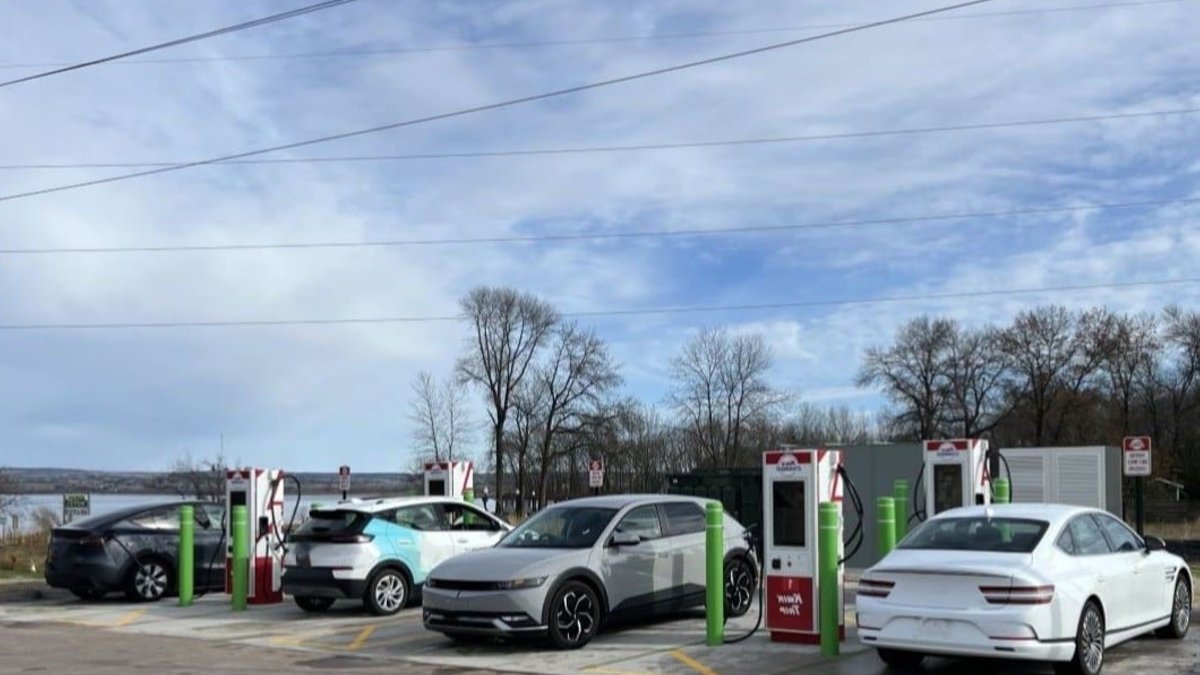
Wisconsin is set to expand its electric vehicle (EV) infrastructure with 42 new fast-charging stations after securing $25 million in federal grant funding through the NEVI program. This development follows a legal battle involving Wisconsin and 15 other states over the release of federal EV infrastructure funds. The funding is part of a broader effort to enhance EV accessibility across the state, addressing the growing demand for sustainable transportation options.
Charging Stations Across Wisconsin
The Wisconsin Department of Transportation (WisDOT) will use the grants to fund charging in 42 communities, focusing on sites along US and state highway corridors not previously considered under the state’s Wisconsin Electric Vehicle Infrastructure (WEVI) program. These stations will be installed at existing businesses, including petrol stations, hotels, restaurants, and grocery stores. This strategic placement aims to integrate EV charging into daily routines, making it more convenient for drivers to adopt electric vehicles. By leveraging existing commercial locations, the initiative also minimizes the need for new construction, reducing costs and environmental impact.
Locations include major cities like Milwaukee, Madison, Racine, Eau Claire, and Green Bay, as well as several smaller towns. Individual grants range from $397,000 to $930,000, with the largest award going to a site at Walker’s Point Plaza in Milwaukee. The distribution of funds reflects a balanced approach to urban and rural development, ensuring that both densely populated areas and smaller communities benefit from the expansion of EV infrastructure. This inclusive strategy is key for supporting statewide adoption of electric vehicles.
Selection Criteria and Community Impact
Projects were chosen based on location, potential for future development, availability of pull-through parking for larger vehicles, and host business hours. Kristina Boardman, secretary of WisDOT, emphasized the convenience of these stations, allowing drivers to run errands while charging. She noted strong usage of the 25 currently operational chargers and expressed satisfaction with the program’s ability to support local businesses. The selection criteria also considered the economic impact on host communities, ensuring that the new stations would drive foot traffic to local businesses and stimulate economic growth. Additionally, the availability of pull-through parking addresses the needs of larger vehicles, such as trucks and SUVs, making the infrastructure more inclusive.
Related Post: Mini to revive classic Cooper design with rear-wheel drive
The latest funding brings Wisconsin’s total NEVI awards to $62 million, supporting 120 charging projects. WisDOT highlighted a key milestone: charging infrastructure is now funded at every 50-mile mark along Wisconsin’s designated interstates and highways, enabling further investment in other parts of the state’s road network. This achievement not only enhances the state’s EV readiness but also positions Wisconsin as a leader in sustainable transportation infrastructure. The milestone ensures that long-distance travel in electric vehicles is now feasible across the state, reducing range anxiety among drivers.
Legal Disputes and Program Challenges
This progress follows a dispute between the federal government and over a dozen states over NEVI’s future. After taking office in 2025, the Trump administration suspended the program for a review of its guidelines, blocking states’ access to federal charging funds. The suspension created significant uncertainty for states relying on federal funding to advance their EV infrastructure plans. In May 2025, 20 Democrat-led states sued, and a federal judge ruled in January that the suspension was unlawful. The ruling was a critical victory for states like Wisconsin, reaffirming their right to access the funds they had been promised. It also showed the importance of judicial oversight in ensuring that federal programs are implemented as intended.
Despite the ruling, the administration has proposed tightening ‘Buy America’ requirements for NEVI-funded equipment, potentially mandating 100% US-made content for some components. Wisconsin Gov. Tony Evers praised the program’s continuation, stating, “We fought hard to make sure these investments came back to Wisconsin like we were promised.” The proposed changes to the ‘Buy America’ requirements aim to bolster domestic manufacturing but have raised concerns about increased costs and potential delays in project implementation. Governor Evers’ statement reflects the state’s determination to overcome these challenges and ensure that Wisconsin remains at the forefront of clean energy initiatives.
The expansion reflects Wisconsin’s commitment to meeting the demands of a 21st-century economy while addressing the needs of Wisconsinites and supporting clean energy initiatives. By investing in EV infrastructure, the state is not only reducing its carbon footprint but also creating jobs and supporting innovation in the clean energy sector. This holistic approach positions Wisconsin as a model for other states seeking to balance economic growth with environmental sustainability.