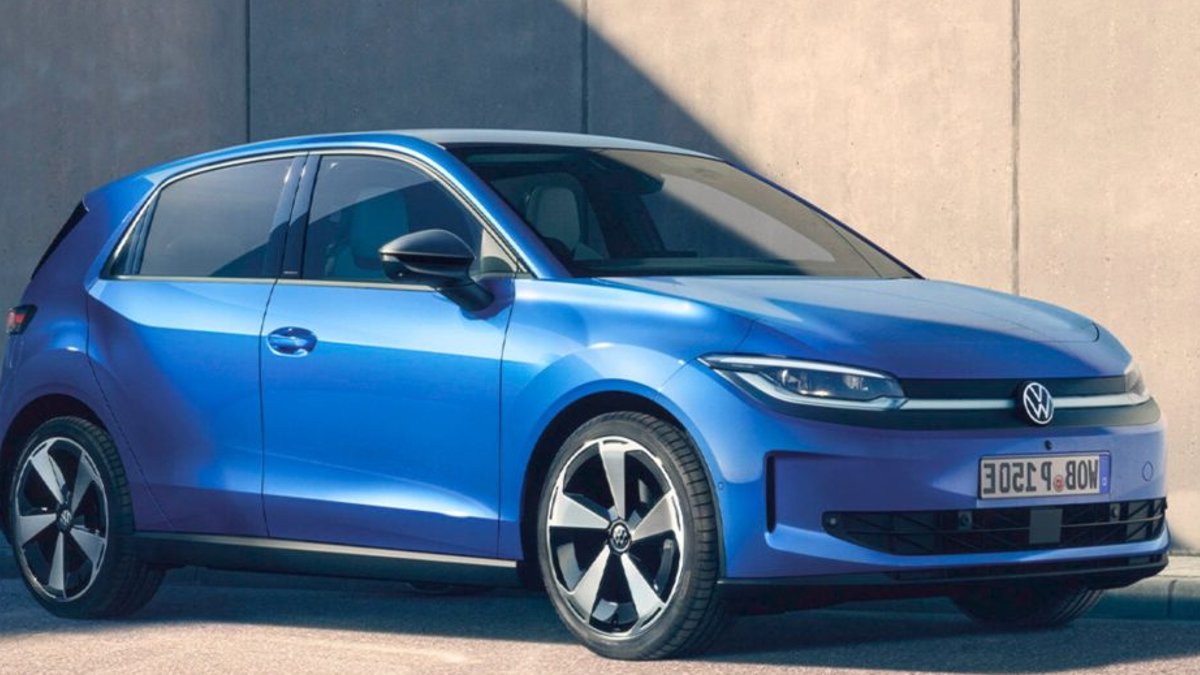
Volkswagen’s ID. Polo electric hatchback now has a delivery backlog exceeding nine months, with some customers facing waits of up to 10 months—longer than even premium supercars. The surge in orders has created a backlog of over 30,000 reservations before buyers could take a test drive, according to German outlets. This situation reflects a pre-order system that locked in purchases before customers could see the vehicle in person.
A leading Volkswagen dealer network has confirmed that every variant of the ID. Polo is sold out, with delivery estimates extending into mid-2027 for certain models. Even McLaren owners, who typically wait between eight weeks and six months for a factory-ordered vehicle, experience shorter lead times than the ID. Polo. Volkswagen’s production increase at its Martorell factory in Spain aims to address the shortage, though dealers caution that new reservations may not be fulfilled until May or June 2027.
The ID. Polo starts at €24,995, positioning it as Volkswagen’s most affordable electric vehicle. The prolonged wait times highlight how rapidly demand has grown, despite the model’s mass-market appeal. While the backlog creates frustration, it signals strong market interest in Volkswagen’s strategy to compete with Chinese electric vehicle manufacturers through accessible pricing.
Other models built on the same MEB+ platform are also affected. The Skoda Epiq and Cupra Raval, both produced at Martorell, face similar delays. These vehicles represent Volkswagen’s broader effort to offer budget-friendly electric alternatives to Chinese competitors.
Demand extends beyond the ID. Polo. The ID. Cross SUV and the refreshed ID.3 Neo are also seeing high pre-order volumes, with the latter experiencing wait times of two to three months. For Volkswagen, these delays stand out as a positive development against a backdrop of financial challenges, including plans to eliminate 100,000 jobs, close multiple production sites, and phase out the Seat brand by 2030.
Some dealerships offer pre-configured ID. Polos for immediate purchase, but the sheer number of pending orders demonstrates that Volkswagen’s approach—aligning electric vehicle prices with those of traditional combustion engines, is gaining traction. However, meeting this demand without overburdening production capacity remains a significant hurdle. For consumers, the only immediate solution is to endure delays comparable to those for limited-edition performance vehicles.
Volkswagen’s focus on volume over exclusivity appears successful, but scaling production to match demand without exhausting resources proves difficult. The backlog reveals both the strength of consumer interest and the operational challenges of delivering on that interest at scale.