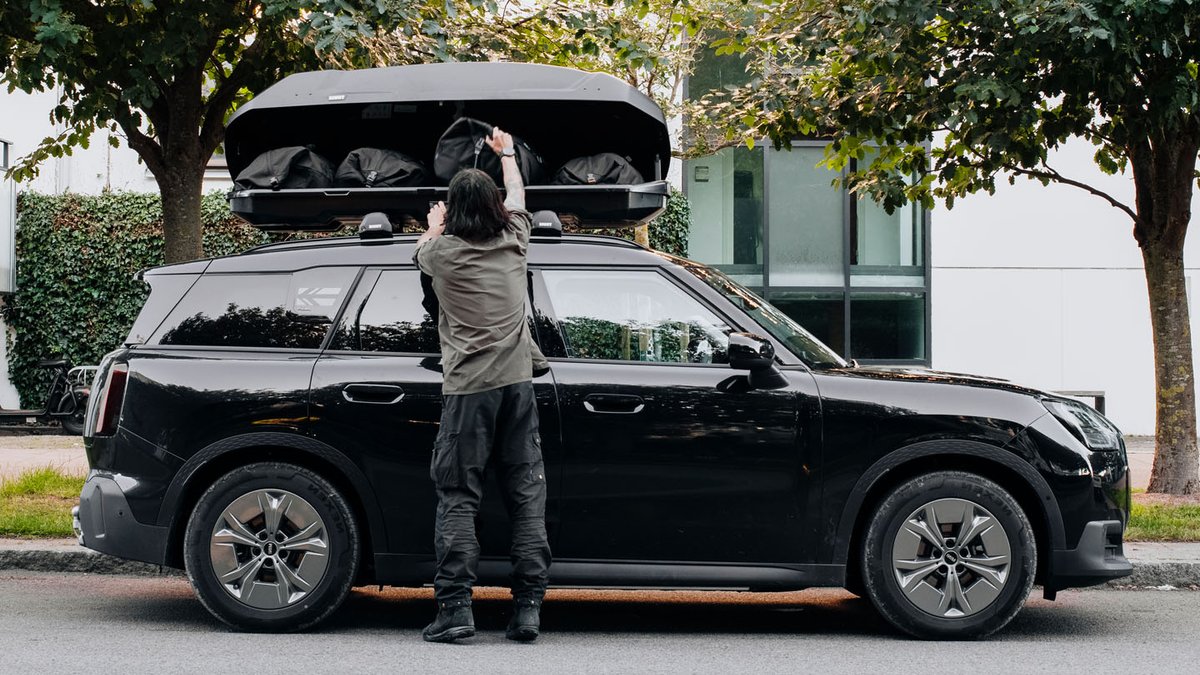
Car makers reported disappointing second-quarter results in China, yet one company in the automotive sector is thriving without relying on the Chinese market.
Swedish accessory firm Thule, best known for roof boxes and bike racks, achieved a 22% operating margin for the second quarter, improving from 21% the previous year. For the first half of the year, its margin stood at 20%. That level of profitability is closer to Porsche’s performance before its recent struggles in China than to most automakers’ current results.
Premium pricing holds, despite competition
Thule’s products carry high price tags, yet demand remains steady. While bike manufacturers and other outdoor gear brands have faced pressure from Chinese competitors offering comparable quality at lower prices, this company has avoided significant market erosion. Since the pandemic, interest in camping and outdoor equipment has grown in China, leading to an influx of new suppliers. Despite this, Thule maintains its leadership in the segment. Automakers have attempted to enter the accessories market—Jaguar Land Rover recently announced plans to expand under its Defender brand—but none have gained meaningful traction.
Global instability plays to Thule’s advantage
The firm is not immune to economic challenges. Like automakers, it has faced higher raw material costs. CEO Mattias Ankarberg stated that a 2.5% price increase would take effect in August. However, changing travel patterns have worked in its favor. More travelers are opting for local vacations this year, a shift that typically increases demand for accessory equipment. CEO Mattias Ankarberg told investors that more people are holidaying closer to home this year, “which is typically positive for Thule”.
Thule’s strength comes from its focus on a specific, high-margin segment where brand trust and product durability outweigh price concerns. The company’s ability to maintain its premium positioning suggests that customers prioritize reliability when purchasing equipment like bike racks or roof boxes, expecting them to last for years.
For automakers struggling with competition in China, this offers little direct guidance. Still, it demonstrates that some industries can withstand the same pressures reshaping the automotive sector. While automakers grapple with electric vehicle adoption and shifting consumer preferences, Thule’s model proves that a well-defined product category can sustain profitability even in a challenging economic environment.
Even with price increases, Thule’s customer base remains loyal. That stability stands out in an otherwise difficult quarter for the industry.