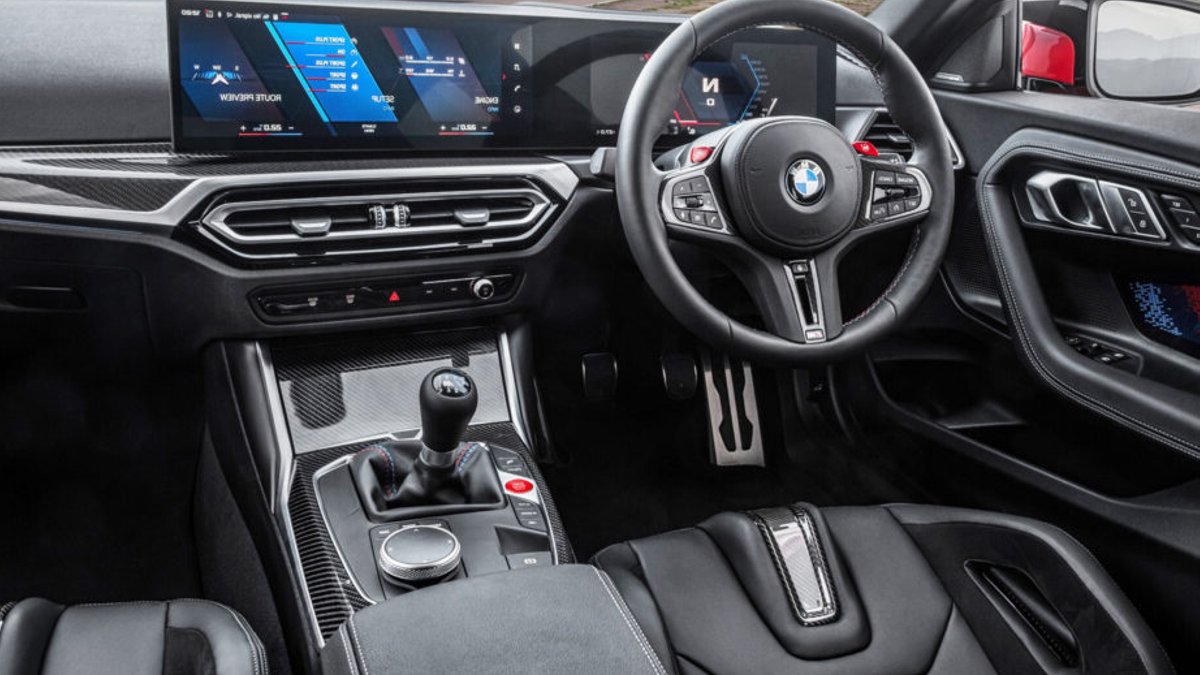
Half of all BMW M2 buyers in the United States are choosing the manual transmission, a figure that influenced the German automaker to launch a limited-edition version of the M3 CS with a stick shift. As the market for manual gearboxes appears to be stabilizing, the decision by BMW M boss Frank van Meel to offer a manual option for the high-performance M3 CS in the US highlights a sustained consumer demand for driving engagement.
When Porsche introduced the 991-generation 911 GT3 exclusively with a dual-clutch transmission in 2013, many feared it would signal the end for the manual gearbox. That prediction has not come to pass, as the manual transmission is currently enjoying a renaissance within the high-end supercar and hypercar sectors. While rivals like Audi and Mercedes-Benz abandoned the manual years ago, BMW has continued to offer the option, maintaining a foothold for enthusiasts.
According to van Meel, the demand for cars with stick shifts is strong. He told BMW Blog that the manual transmission remains the “dream combination” for purists, leading the company to produce a limited model specifically for the American market. The M3 CS Handschatter was the result of this demand, and van Meel noted that the response was “enormous” with the vehicle selling out quickly.
The Manual’s Future With The M3 And M4
Despite this recent success, the manual may not be around for the next generation of BMW M vehicles. The M3 CS Handschatter will serve as a final farewell to the G80-generation M3 in the US, potentially marking the last M3 with a manual option. Reports suggest the next-generation M3, expected around 2028, will keep the familiar 3.0-liter twin-turbo six-cylinder engine but will not offer a manual transmission.
The situation is similar for the M4, which is also scheduled for a replacement before the end of the decade. There is a possibility that the successor to the current M4 will also drop the six-speed manual. This leaves the current M2 as a potential final bastion for manual transmissions within the BMW M lineup, creating a sense of urgency for those who prefer rowing their own gears.
For the average buyer, the availability of a manual in a performance vehicle is often less about pure technical capability and more about the tactile connection to the machine. When a manufacturer listens to this specific demand and creates a limited run to satisfy it, the result is usually a product that holds its value better and appeals to a dedicated collector base. It turns a simple purchase into a participation in a niche culture rather than just a transaction for a vehicle.
Such a specific product strategy often leads to unexpected consequences for the wider automotive industry. A driver recently found themselves facing a massive financial bill after charging their Kia EV, a situation that illustrates the varying challenges electric vehicle owners face on the road. The shock of a $16,000 power bill serves as a stark reminder that while enthusiasts enjoy the driving experience, practical ownership issues can arise without warning.