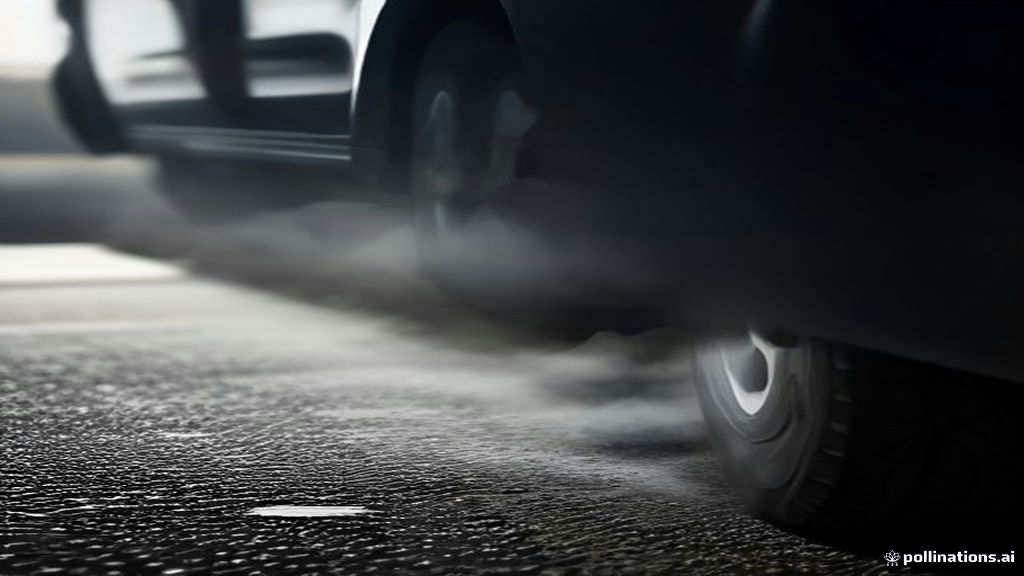
India’s proposed Bharat Stage VII (BS7) regulations will extend emission controls beyond the exhaust pipe, targeting brake dust and tyre wear for the first time. This includes electric vehicles (EVs), which, despite lacking exhaust emissions, still contribute to particulate pollution through these sources.
A Shift Beyond the Exhaust
Historically, automotive emission regulations have focused on engines, with manufacturers investing heavily in cleaner technologies like catalytic converters and particulate filters. However, non-exhaust emissions from brakes and tyres have become a significant concern as exhaust emissions decline.
The Ministry of Road Transport and Highways published its draft BS7 regulations in October 2026, outlining a phased implementation. The first phase, starting in April 2029, focuses on exhaust emissions and enhanced testing. The second phase, beginning in April 2031 for passenger cars, introduces limits on brake and tyre emissions.
Brake and Tyre Emissions in Focus
Brake dust, generated from friction between brake pads and discs, contains particles small enough to be inhaled, including iron and copper. BS7 proposes PM10 emission limits for brakes, with stricter standards by 2035. Electric vehicles, benefiting from regenerative braking, face lower initial limits due to reduced brake wear.
Tyre wear, another significant emission source, releases particles containing rubber, polymers, and fillers. These particles contribute to microplastic pollution and settle on roads, soil, and waterways. BS7 will regulate tyre abrasion, though specific limits remain undefined.
Unlike exhaust emissions, which are measured in milligrams per kilometre, tyre abrasion testing assesses the mass of material lost during use. Establishing limits that balance pollution reduction with performance and safety is a key challenge.
The automotive industry’s focus may shift towards developing low-abrasion tyre compounds and managing vehicle weight to comply with these new standards. However, manufacturers, represented by the Society of Indian Automobile Manufacturers (SIAM), have requested a delay in implementation to 2035, citing concerns over supplier readiness and testing infrastructure.
The draft regulations also raise questions about enforcement and accountability. While manufacturers face compliance requirements, the lack of periodic vehicle inspections in India complicates efforts to ensure ongoing adherence to emission standards. Additionally, the impact of road conditions and replacement parts on emission levels remains a concern.
The proposed BS7 standards could increase vehicle costs as manufacturers invest in new materials and testing processes. However, existing vehicle owners are not required to retrofit their cars to meet the new limits.
Testing and Compliance Challenges
The proposed BS7 regulations introduce specific testing procedures for brake and tyre emissions. Brake emissions will be tested using the WLTP-Brake cycle, which simulates various driving and braking conditions over approximately 192 kilometres with 303 braking events. This allows for consistent measurement of particulate matter released during braking.
Tyre abrasion testing, however, is more complex. It involves measuring the mass of material lost from tyres over thousands of kilometres, either through controlled road tests or laboratory methods. The challenge lies in establishing limits that reduce pollution without compromising tyre performance, durability, or safety.
Brake and tyre manufacturers cannot redesign products without clear emission limits, and standardised testing methods are essential for compliance.
Broader Implications and Future Outlook
Unlike countries with periodic roadworthiness tests, India’s current system does not require full vehicle inspections until 15 years after purchase.
Replacement parts also pose a challenge. Owners may fit brakes and tyres that do not meet the same standards as original equipment, potentially undermining emission reduction efforts. Additionally, road conditions, which can accelerate wear, remain under government purview, raising questions about accountability.
Proposed Emission Limits and Industry Concerns
From April 1, 2031, passenger cars must meet PM10 emission limits for brakes, with stricter standards by 2035. These limits apply to all vehicles, regardless of powertrain, and may encourage new brake-pad compounds and systems. Testing will assess material loss, not just emissions, and consider factors like vehicle weight and driving behavior.
The draft regulations also highlight the need for periodic vehicle inspections to ensure ongoing compliance, as current practices may not suffice.
Light commercial vehicles face corresponding requirements from April 2032, with heavy vehicles following later. The proposed regulations are still drafts, and dates may change. Industry concerns reflect the complexity of implementing these standards, particularly regarding enforcement and accountability for road conditions and replacement parts.