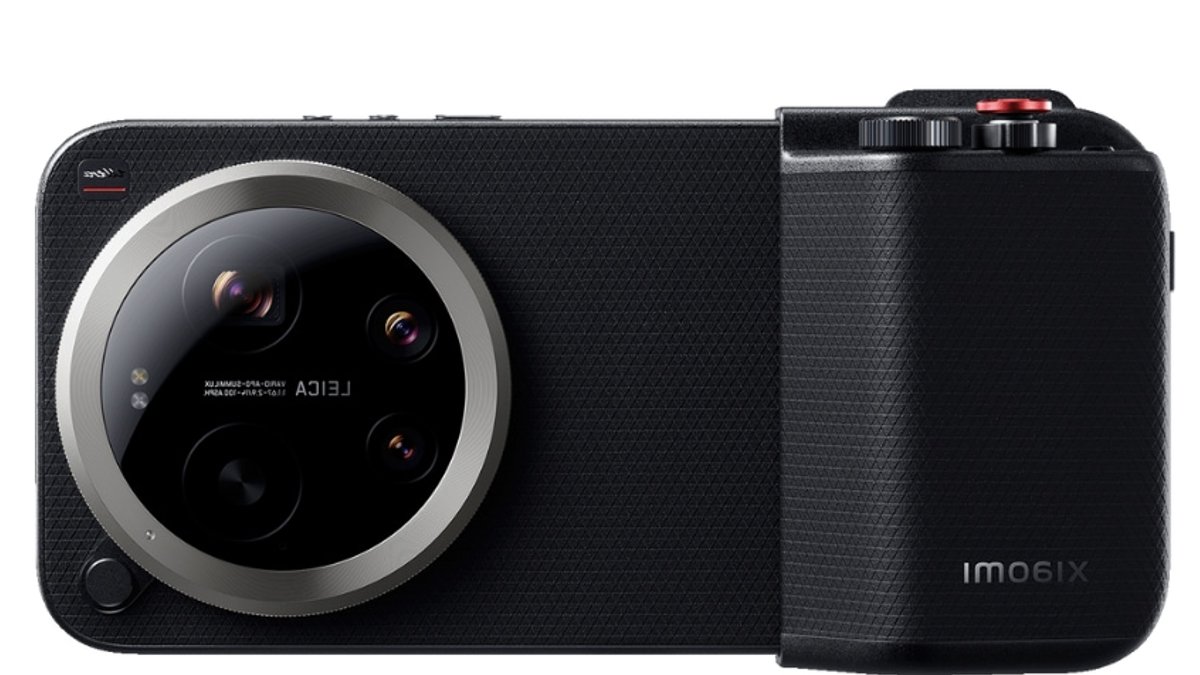
A writer who recently received a Xiaomi 17 Ultra for review was surprised by its camera capabilities. The phone’s camera system, which includes a 50MP one-inch LOFIC sensor and Leica-engineered Summilux optics, gave the writer a level of dynamic range, highlight control, and tonal information that they didn’t expect from a smartphone.
The writer was impressed by the phone’s ability to handle harsh sunlight and deep shadows, and its night shooting capabilities were also commendable. The phone’s image processing was credited with bringing the hardware together, and its ability to deal with high contrast scenes and difficult lighting was particularly notable.
The Camera System
The main camera is only part of the story, as the 200MP telephoto camera provides a different perspective and allows for creative control over the final image. The writer found themselves composing photographs rather than simply taking snapshots, thanks to the phone’s camera system and the Leica colour profiles and different imaging modes.
The telephoto camera’s large sensor and the phone’s processing power make it extremely useful for automotive photography, allowing the writer to compress a scene, isolate a subject, and create a perspective that wouldn’t be possible with the primary camera.
Read Also: Vinfast Launches 7-Seat Electric MPV in India
Enhanced Camera Controls
The Photography Kit, which adds a proper camera grip to the phone, complete with physical controls, was very useful for the writer. The kit includes a shutter button, half press for focusing, zoom controls, and a dedicated recording button, as well as a 2,000mAh battery that provides an additional power reserve while shooting.
The 67mm filter adapter was particularly useful for the writer, who immediately put a CPL and ND filter on it. This allowed for greater control over reflections and exposure, making shooting cars and other subjects much easier.
The writer was surprised by how much they enjoyed using the phone’s camera, and how it made them rethink carrying a separate camera.
The phone’s display, a 2K class AMOLED panel with a 120Hz refresh rate and 12-bit colour depth, was also impressive, with a peak brightness of 3,500 nits. The Pro colour mode was particularly useful for the writer, who appreciated the colour accuracy and sharpness of the display.
Phone Display and Battery
The writer’s experience with the phone’s camera system and Photography Kit was overwhelmingly positive, and they found themselves using the phone more and more for photography and video work.
Read Also: Benelli Launches New TRK 552 Adventure Bikes in India
The phone’s battery life was also good, with a 6,000mAh battery and 90W wired HyperCharge and 50W wireless charging. The additional 2,000mAh battery in the Photography Kit grip provided extra power when needed.
The writer’s only criticisms of the phone were its software, which they felt was not as fluid or polished as some other phones, and the limited availability of protective cases and accessories in India.
The phone’s audio recording capabilities were also surprisingly good, with a fairly pronounced bass-heavy, V-shaped signature. The writer found the microphones to be capable of producing high-quality audio, making the phone a useful tool for content creation.
Value and Content Creation
At around ₹1.4 lakh, the Xiaomi 17 Ultra is not a cheap phone, but for those who prioritize photography and video, it may be worth the investment. The writer felt that the phone’s camera system, combined with its compact size and ease of use, made it a valuable tool for anyone looking to produce high-quality content.
Read Also: Hyundai Bayon CNG model launch confirmed
The phone’s ability to record 4K at 120fps, combined with its Log recording capabilities, makes it a useful tool for content creators. The writer was impressed by the phone’s video capabilities, and they found themselves using it to create high-quality video content.
The Xiaomi 17 Ultra’s independent cooling system for the camera module is also a notable feature, as it helps to prevent overheating during extended use. The writer found this feature to be particularly useful, as it allowed them to use the phone’s camera for extended periods without worrying about overheating.
The phone’s Snapdragon 8 Elite processor provides an enormous amount of processing power, making it well-suited for demanding tasks like video editing and gaming. The writer found the phone’s performance to be smooth and responsive, even when using demanding apps and games.
The Xiaomi 17 Ultra’s display is also notable, with a peak brightness of 3,500 nits and a 120Hz refresh rate. The writer found the display to be bright, punchy, and extremely sharp, making it well-suited for viewing and editing photos and video.