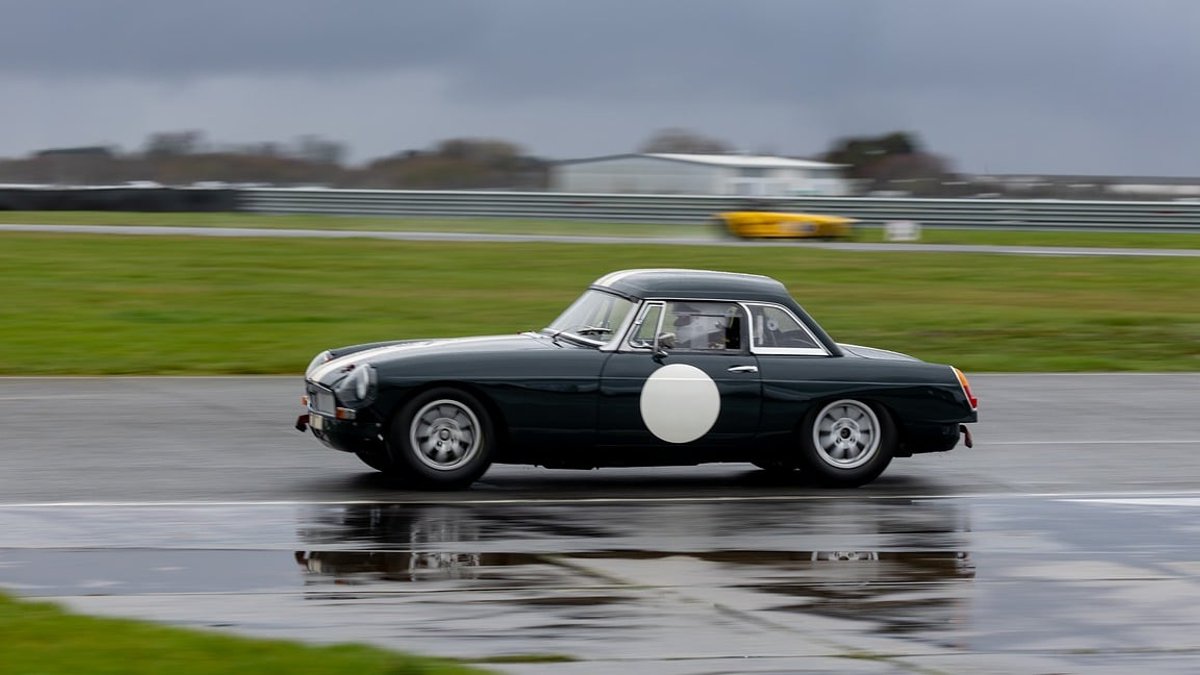
Andreas Bovensiepen arrived six minutes late to a nearly empty canteen at the Salzburgring, stepping out of a car he’d just pushed to 265 kph on the back straight. The Bovensiepen Zagato, he noted with quiet satisfaction, matched the speed of the slick-shod B6 GT3 Alpina that once raced there. The incident showed a simple truth: the 63-year-old and his brother Florian weren’t leaving the car business, even after selling Alpina to BMW.
The deal that reshaped a legacy
The sale, completed last year, gave the Bovensiepens enough wealth to fund their next project. But the decision went beyond finances. The core issue was electric propulsion. In 2020, when BMW CEO Oliver Zipse first approached the family, Alpina’s future was uncertain. The brand’s focus—refining combustion-engine BMWs into faster, more luxurious versions—conflicted with an industry moving toward EVs.
“An offer from BMW comes only once in a lifetime,” Bovensiepen said. Negotiations lasted 18 months. Initially, BMW’s board considered purchasing the entire company, including Alpina’s Buchloe headquarters with its five dynos. But executives argued the facility made little sense in an electric future. BMW ultimately acquired only the brand rights: the name, history, and iconic design elements like the wheels and color schemes.
Related: EX60 P10 Hits 330 Mile Range Easing Anxiety
Bovensiepen didn’t answer whether BMW would have bought the whole operation today, now that EV demand has slowed and diesel sales remain stronger than expected. “Demand for diesels still exceeds what manufacturers predicted,” he said. “BMW’s diesel hub in Austria has retrained engineers for electric work and doesn’t plan to reverse course. So the company has turned to us.”
A new chapter, same address
The new company, Bovensiepen Automobile, operates from the same Buchloe site that housed Alpina for decades. The workshops, saddlery, and even the chalet—whose pool is still heated by test-bench waste gas—remain unchanged. The team will continue providing engineering services to BMW, just as Alpina did, and will still build high-performance cars based on BMW platforms.
Bovensiepen Automobile has three main revenue streams. First, white-label engineering for BMW, with 25 engineers refining powertrains, suspension, and chassis electronics. Second, Alpina Classic, which restores pre-BMW Alpinas and supplies parts. The third is the new lineup of Bovensiepen-branded vehicles. The Zagato, based on an M4, serves as the flagship.
Related: Tesla Cybertruck Owner Claims 500-Mile Range Costs $16
The wine warehouse—holding nearly a million bottles—still features its ornate brass “A” handles. The saddlery and engineering benches remain in use. Even the service center stays open, though it won’t refuse a 2 Series Active Tourer for an oil change. Alpina once engineered the suspension for BMW’s compact MPV, after all.
Bovensiepen takes clear pride in the new cars. “If pressed,” he said, “I’d say my greatest achievement at Alpina was fitting a 4.6-litre V8 into the E36.” The new venture may lack the Alpina name, but the focus on speed, craftsmanship, and efficiency remains the same.
The market for high-end combustion-engine cars hasn’t disappeared. It has simply become more exclusive. Bovensiepen Automobile is wagering that buyers will pay extra for vehicles blending M Division performance with traditional refinement. The outcome is uncertain, but for now, the Buchloe facility operates with the same intensity it always has, even if the badges on the cars have changed.