A study from Transport & Environment (T&E) calls for plug-in hybrid electric vehicles (PHEVs) to feature reduced gasoline capacity, extended electric-only range, and quicker charging to push owners toward plugging in. The group’s findings reveal that 2024 PHEVs in Europe produced CO₂ levels nearly six times higher than their advertised ratings, showing the urgency of these adjustments.
European PHEVs have failed to deliver on their emissions-cutting and fuel-saving benefits, with drivers often not bothering to plug them in. T&E suggests that giving drivers less room for gas could be the solution, proposing fuel tanks capped at 15 liters (around four U.S. gallons).
Smaller Gas Tanks and Longer Electric Range
T&E recommends at least 200 km (124 miles) of real-world electric range by 2030, DC charging power above 100 kilowatts, and electric motors with at least three times the combustion engine’s power. This would make electricity the main attraction and gasoline a true backup option.
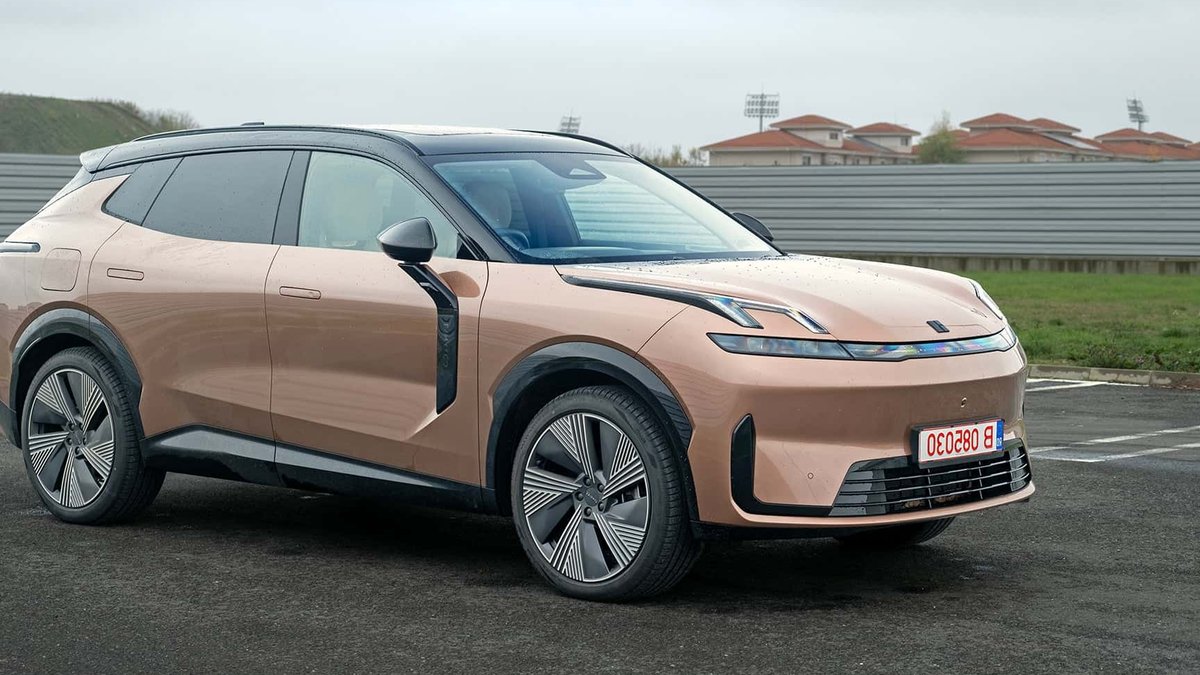
Some vehicles, such as the Lynk & Co 08, already exist with these features. The Lynk & Co 08 has a 39.6-kWh battery and a claimed WLTP electric range of 124 miles (200 kilometers), and it mostly behaved like an EV during test drives.
Real-World Emissions and Fuel Costs
T&E’s analysis of European Environment Agency data found that PHEVs registered in 2024 emitted nearly six times their official CO₂ figures. Their real-world emissions were only 14% lower than those of combustion cars and conventional hybrids, despite official figures suggesting an 83% reduction.
Pure-electric driving accounted for only 27% of distance, while engines ran during 32% of charge-depleting kilometers. T&E found that PHEVs with stronger electric motors relative to their combustion engines tended to have lower real-world emissions.
T&E also estimates that powering PHEVs predominantly with fuel increases their annual running costs, with a €680 gap between estimated and official consumption figures.
Incentives and Emissions Calculations
The European Union’s stricter emissions calculations are encouraging automakers to increase their PHEVs’ electric range. However, German carmakers want to freeze the next round of corrections, which could understate real-world emissions by 56%.
Incentives for PHEVs remain spotty across the continent, with companies buying 71% of the EU’s PHEVs in early 2026. While 24 member states offer some preferential tax treatment or incentive programs, more needs to be done to encourage the use of electric power.