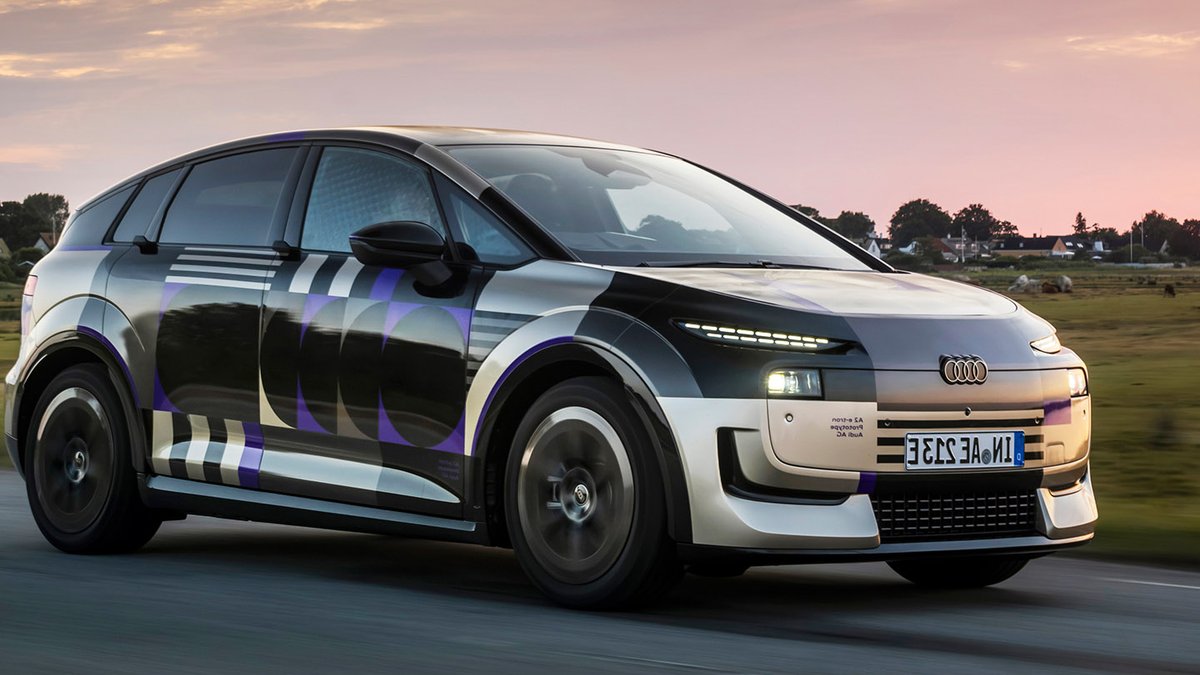
The Audi A2 E-tron is back, marking a return for the nameplate in a way that stops short of being a nostalgic tribute. Rather than rebuilding the cult classic’s all-aluminum spaceframe, Audi has updated the concept for the electric age. The new model uses the same underlying silhouette as the original, a short, bluff front that flows into a monolithic body. This shape isn’t an homage; it is the logical conclusion of optimizing a hatchback for aerodynamics.
The business logic has changed, too. The original A2 was an engineering marvel but rarely turned a profit. The new version is built on the Volkswagen Group’s MEB platform, the same foundation found in the ID.3. This shift to mass-market underpinnings means the car is more affordable and safer. It also allows for some interesting engineering tweaks. The ‘APP350’ electric motor uses thinner materials and a separate oil pan to reduce drag. Even the battery, the 58kWh lithium-iron-phosphate option, is designed to handle 100% charging without issue.
Related: Buy a modern Mercedes A-Class for just £5,000
On paper, the efficiency looks stellar. A test loop around Denmark and southern Sweden returned 5.4 miles per kilowatt-hour. That figure suggests a potential range of about 300 miles, which would outclass competitors like the Renault Megane E-Tech or the Mini Countryman E. Drivers could even choose between one-pedal driving and full freewheeling, depending on their preference.
There are noticeable compromises to achieve those numbers. The test car was fitted with sport suspension to lower the roofline and reduce drag. Regardless of how well-maintained the roads were in Sweden, the ride quality was punishingly stiff. The steering wheel paddles and drive selector offer a variety of modes, which is good, but the physical controls are scarce. The digital screens have thick bezels, and the column stalks look like they belong to an 1980s Citroën. The interior materials, featuring a knitted fabric found in recent Minis, feel pleasant enough but lack the tactile quality of older premium interiors.
This strategy shifts Audi away from the “rolling science experiment” of the original. By using a mass-market platform, they ensure the car is profitable, which means the buyer gets a practical EV that prioritizes efficiency over driving thrills. It’s a trade-off: less engineering novelty for a more reliable, mass-produced commuter.
Related: Europe’s used car markets see surprising 2026 start
Inside the cabin
It probably won’t surprise anyone that this car sacrifices some sporty handling for the sake of range and cost. The suspension setup made the ride feel brittle over bumps, and road noise from the specific Bridgestone tires was significant. However, the driving position is comfortable, sitting high enough for visibility but low enough for control. Rear passengers enjoy generous headroom, though the high floor compromises the seating position’s ergonomics. Until official dimensions are released, it seems the new A2 occupies a similar footprint to the ID.3, slotting in as a premium alternative to the more mass-market electric hatchbacks.
Official pricing is expected to start around £33,000. The car will face stiff competition from the Cupra Born, Volvo EX30, and the standard ID.3. While the purists might miss the days when Audi experimented with unprofitable aluminum chassis, this electric hatchback looks to be a much safer bet for the company’s bottom line and the consumer’s wallet.