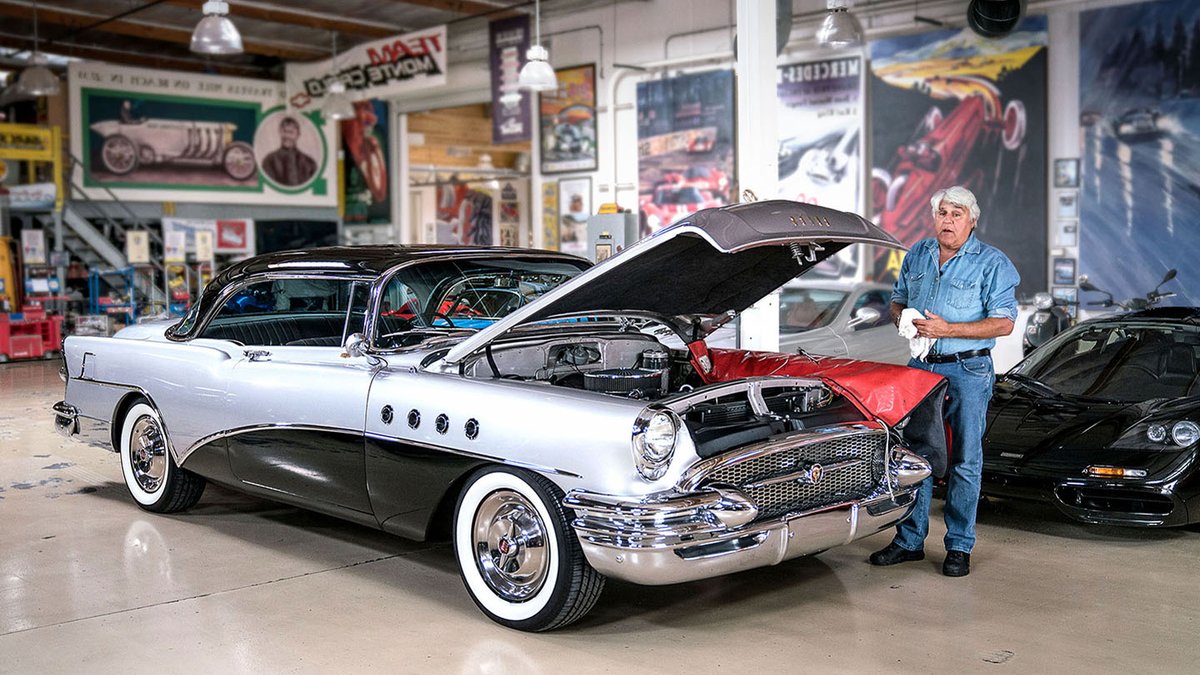
Jay Leno’s garage is the stuff of car enthusiast legend—a cavernous California hangar packed with hundreds of vehicles spanning decades. For most, it’s the ultimate fantasy: a collection so vast it borders on absurd. But for one writer, the dream garage isn’t about sheer volume. It’s about practicality, joy, and the quiet thrill of driving something unusual on an ordinary Tuesday.
The case for a three-car garage
The math is simple. A garage with 200 cars, like Leno’s, demands a full-time staff just to keep the fleet running. Insurance policies, registration renewals, and maintenance schedules multiply like rabbits. Even the act of driving each car once a year becomes a logistical nightmare. Ten cars might sound manageable, but the writer argues it’s still too much—too many policies, too many MOTs, too many reminders.
Three, though, feels just right. Two cars cover the basics: one for daily use, another for seasonal fun. The third? That’s where the magic happens—a machine so impractical, so delightfully anachronistic, it turns a trip to the grocery store into an event.
Related: BYD challenges Land Rover with new seven‑seat 4×4
The writer currently owns two: a 2005 Mini Cooper S and a 1990 BMW 325i. The Mini handles year-round duty, while the BMW, prone to rust, gets sidelined in winter. Together, they balance reliability and character. But the BMW, bought with just 30,000 miles after sitting idle for a decade, sparked a question: Why do people hoard cars they never drive?
Maybe it’s the collector’s instinct—restoring, preserving, admiring. Or maybe it’s the belief that some cars are too special for mundane errands. But the writer disagrees. The best way to enjoy a car, he suggests, is to use it. The BMW now ferries him to supermarkets and job sites, taking the scenic route home. The odometer, once stagnant, has nearly doubled in a year.
The allure of the impractical
The third car isn’t about filling a gap. It’s about contrast. Not a supercar—too expensive, too fragile—but something pre-war. A Morgan Super 3, borrowed for a weekend, offered a glimpse: raw, unfiltered driving, where every pothole and gear shift demanded attention. Modern cars smooth out the experience; a century-old machine revels in the chaos.
The idea isn’t without complications. A 1928 Franklin, with its air-cooled straight-six and wooden wheels, recently caught his eye. The price—£13,000—is steep for a car that might spend more time in the garage than on the road. And with no local dealers, repairs would be a gamble. Still, the appeal is undeniable: the rattle of an old engine, the stares from passersby, the sheer absurdity of handling modern traffic in a relic.
Related: Europe’s used car markets see surprising 2026 start
Prices for vintage cars are dropping as aging enthusiasts downsize. That could make now the perfect time to buy—if you’re willing to accept the trade-offs. A pre-war car won’t be reliable. It won’t be comfortable. It might not even be legal on certain roads. But it will be memorable in a way most modern cars aren’t.
For now, the three-car garage remains a mental exercise. The writer’s current setup—a rented single-car space—hardly accommodates two vehicles, let alone a third. But the fantasy persists. Maybe the real dream isn’t the garage at all. It’s the freedom to drive something strange, something slow, something that makes the world feel just a little more interesting.
And if that means double-declutching past a Tesla on the way to buy milk, so be it.