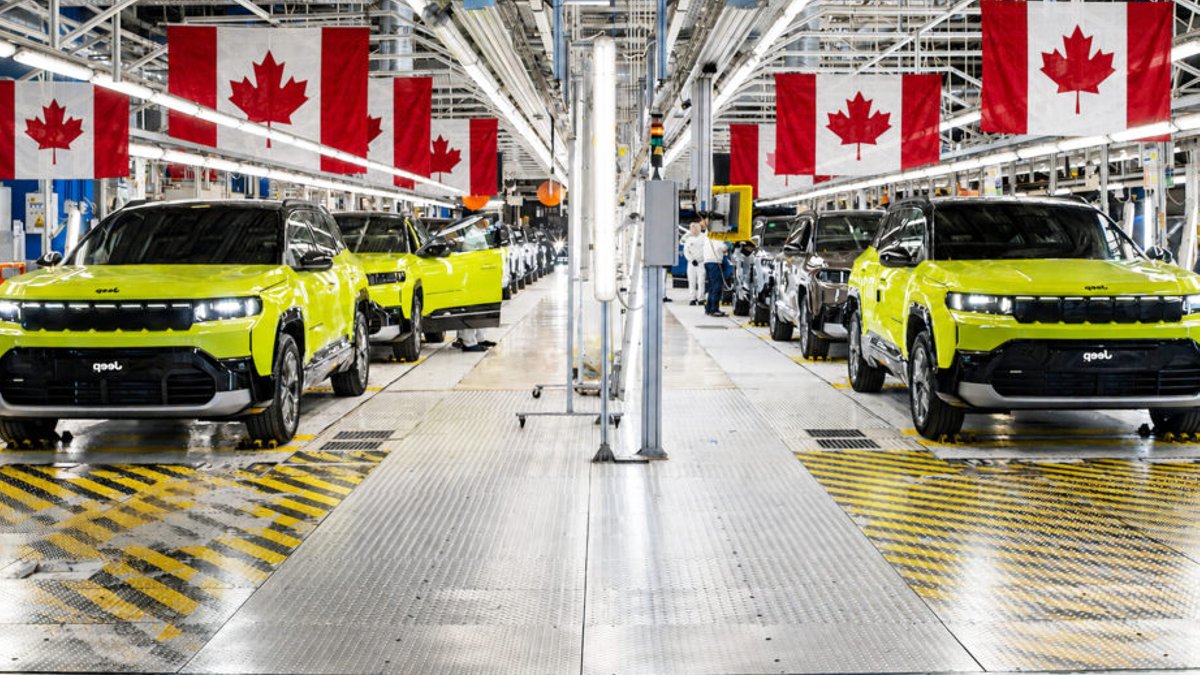
The United States plans to lower tariffs on Canadian-made vehicles from 25% to 15%, part of a broader agreement still under negotiation. The deal also includes cuts to steel and aluminum tariffs.
President Donald Trump stated the agreement is nearly complete, with only formal documents remaining. “So subject to the finalization of documents, we have a deal with Canada,” he told reporters after the latest round of talks. Canadian Prime Minister Mark Carney acknowledged progress but remained reserved, calling it a step toward securing favorable terms for Canada’s key industries.
Auto tariffs may fall below 15%
The proposed 15% tariff on Canadian vehicles might not be the final number. Reports suggest the rate could drop further once deductions for U.S.-made parts in Canadian-built cars are factored in. This change would reduce costs for automakers operating in Canada.
Canada’s auto sector has faced challenges, with production declining by 64,000 vehicles while U.S. plants increased output by 44,000 in the same period. The tariff cut, if enacted, could provide relief, though its effect will depend on how quickly companies adjust their supply chains. The agreement also sets a cap on the lower steel and aluminum tariff rate at 4 million metric tons per year—any imports exceeding that would still face the original 50% duty.
Related: Six cylinders still rule the road
Tariffs have been a recurring issue in U.S.-Canada trade discussions. The Trump administration had previously threatened a 50% tariff on all Canadian goods, a deadline later extended to allow further negotiations. The current shift indicates a willingness to compromise, though the final terms remain unclear.
Steel and aluminum tariffs see reduction
The proposed cut in steel and aluminum tariffs—from 50% to 25%—could help industries dependent on Canadian metals. The lower rate would apply to the first 4 million metric tons imported annually, covering most of Canada’s typical exports to the U.S. Beyond that, the original 50% tariff would still apply.
For Canadian producers, the change brings some stability after years of trade fluctuations. Carney noted that Canada sought to protect its existing trade advantages, and the emerging deal reflects that effort. However, the agreement isn’t final, and last-minute disputes could still disrupt it.
Trump expressed confidence in a resolution, while Carney’s tone reflected ongoing concerns. The coming days will determine whether the deal holds or if the threatened tariffs resurface.
Related: Jaguar Type 00 interior revealed
The auto industry will be particularly attentive. A 10-percentage-point reduction in tariffs may seem modest, but for an industry with tight margins, it could affect profitability. Whether the savings reach consumers or are absorbed by manufacturers remains to be seen.
The negotiations have been difficult, and while the outcome looks promising, nothing is certain. Both sides have made concessions, but the final details will decide who gains the most.
Six-cylinder engines continue to play a key role in performance vehicles, a legacy that remains relevant even as electric models gain traction.