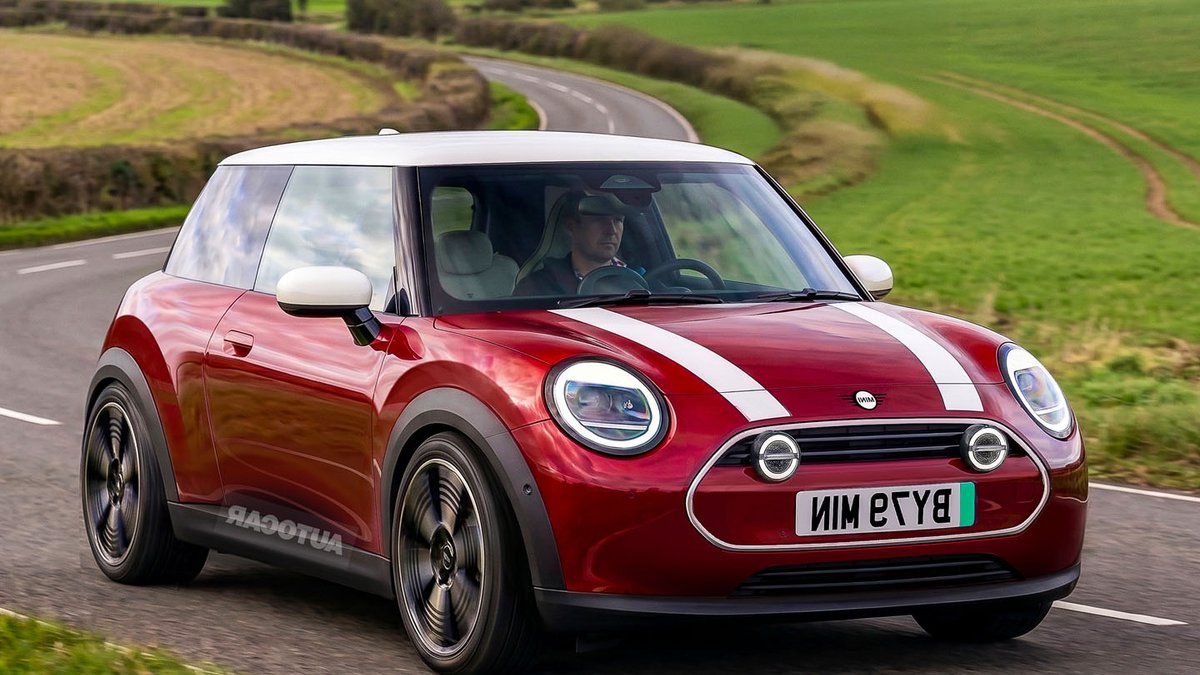
The next-generation Mini Cooper will abandon its front-wheel drive tradition, signaling the brand’s biggest technical change since BMW took charge of the marque three decades ago. The move responds to fierce competition in the small electric vehicle market, where rivals like the Renault 5 and Volkswagen ID Polo offer more range and space at comparable prices.
Rear-wheel drive and a new platform
Mini has confirmed the next Cooper is in development, with the hatchback switching to BMW’s rear-wheel-drive Gen6 architecture. The platform, debuting later this year under the iX3 SUV and i3 saloon, was built solely for electric vehicles and excludes front-wheel drive. BMW engineers have ruled out creating a front-drive version, leaving Mini no alternative but to adjust.
Joachim Post, BMW’s development chief, stated the decision would focus on driving enjoyment and optimal packaging. The change mirrors the upcoming BMW 1 Series, which will also adopt rear-wheel drive when it introduces an electric variant. While the shift streamlines production, it may create a wider divide between the electric and petrol Cooper models, which could keep front-wheel drive into the 2030s—potentially with hybrid systems.
The current Cooper Electric, assembled in China by partner Great Wall Motor, still uses front-wheel drive. A refresh is expected within two years to help it compete against affordable EVs like the Fiat Grande Panda and Kia EV2. Price reductions have already been implemented to maintain relevance, but the segment’s rapid growth—driven by Chinese brands such as BYD and Geely—has pushed Mini to rethink its strategy.
The switch to rear-wheel drive extends beyond mechanics. It reflects a broader industry move toward electric-specific platforms, where packaging and weight distribution differ from traditional combustion layouts. For Mini, this requires reworking a car long defined by its compact size and agile handling—qualities front-wheel drive once supported.
Related: Lotus fan collects 14 rare Europa models
Design will keep Mini’s identity
Despite the technical changes, Mini’s design chief Holger Hampf said the next Cooper will still look like a Mini. “A five-year-old can recognize one by its proportions,” he noted. “Short overhangs, wheels at the corners, round headlights, and that grille—these stay.”
The brand’s retro styling, a signature since the 2001 R50 generation, will shape the new model. Hampf called it a cycle where modern takes on classic Mini details will preserve familiarity.
The three-door body style, rare in Europe now, will continue in the next generation. Hampf called it the brand’s foundation, though the final size will balance compactness with usability.
The next Cooper is still years from release, but the shift to rear-wheel drive marks a clear departure from tradition. Mini is counting on its iconic design to guide buyers through the change, even as the car’s engineering evolves. Used electric vehicles already show how quickly the market is moving, and the new Cooper will need to stand out in a crowded field.